


The benefits of multibanking go beyond viewing several bank accounts on one screen. For businesses, a shared interface can make it easier to find transactions, review balances and track payments across connected banks.
When financial information is spread across separate banking portals, everyday tasks take longer. Multibanking helps bring that information together. Depending on the provider and connected banks, it may also support payment initiation and financial analysis.
This article explores five practical benefits of multibanking and explains what businesses should check before choosing a solution.
How open banking supports multibanking
Open banking enables authorized providers to access certain banking data or initiate payments with the necessary permissions. These connections can support services that bring information from multiple bank accounts into a single interface.
In Europe, the revised Payment Services Directive, known as PSD2, helped establish a framework for these services. EU Member States had until 13 January 2018 to transpose the directive into national law. However, open banking is a broader concept and is not simply another name for PSD2.
Multibanking uses connections with different banks to provide a more unified experience. To learn more about this foundation, read our guide to account aggregation and multibank connectivity (in Persian).
1. Easier transaction searches across accounts
Finding a particular transaction can be time-consuming when a business uses several banks. Finance teams may need to open separate portals, download statements and compare records before locating a payment.
A multibanking platform can make this process easier by providing a shared search interface for connected accounts. Depending on the available data, users may be able to filter transactions by date, amount, account or payment reference.
For example, a finance team investigating a customer payment can search the connected accounts using the expected amount and date. This reduces the need to repeat the same search in each banking portal.
Transaction categorization can also help users review their finances. However, automated categories may need correction, and two payments with the same amount are not necessarily duplicates. References, dates and supporting records still matter.
Historical context: According to the European Central Bank, retail payment systems in the euro area processed around 50 billion transactions in 2021. This figure refers to a specific payment-system measure for that year. It does not represent current multibanking usage or all payments made by consumers.
2. Centralized access to connected bank accounts
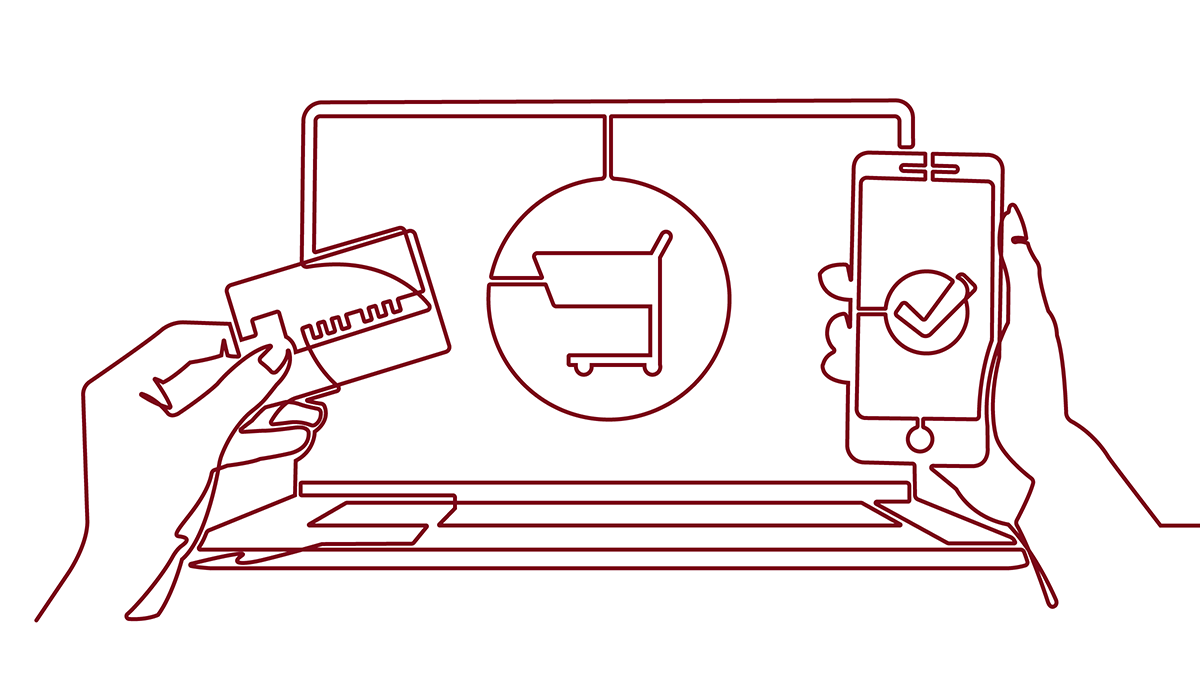
Using several banks often means switching between different websites, applications and navigation systems. A multibanking platform can provide a common starting point for reviewing connected accounts.
This centralized access can reduce the effort involved in routine tasks. Finance teams can work within a more consistent interface instead of repeatedly moving between banking portals.
However, centralized access does not remove every authentication requirement. Connecting an account, renewing access permissions or authorizing a payment may still require a separate step with the relevant bank.
In the European PSD2 framework, Strong Customer Authentication (SCA) helps protect account access and payment activity. The applicable requirements depend on the operation and relevant conditions. A single interface should therefore not be understood as a promise that users will never need to authenticate again.
For businesses, access controls are equally important. A user who can view account balances should not automatically be able to initiate or approve payments. These permissions should reflect the organization’s responsibilities and approval rules.
3. A clearer view of business finances
Finance teams need reliable information to plan payments and understand available resources. When account balances and transactions are scattered across several systems, building that picture takes more time.
One of the benefits of multibanking is the ability to review information from connected accounts in one place. This can help teams identify where funds are held and examine recorded inflows and outflows.
Data freshness remains important. An aggregated balance is not necessarily a real-time balance. Update frequency depends on the bank connection and platform, so users should check when information was last retrieved.
Account aggregation also differs from bank reconciliation. Bringing transactions together can support reconciliation, but it does not automatically match them to accounting records or resolve discrepancies.
For a closer look at this process, read our guide to bank reconciliation (in Persian). It explains why reviewing balances alone is not enough to confirm that bank and accounting records agree.
4. Simpler payment initiation and tracking
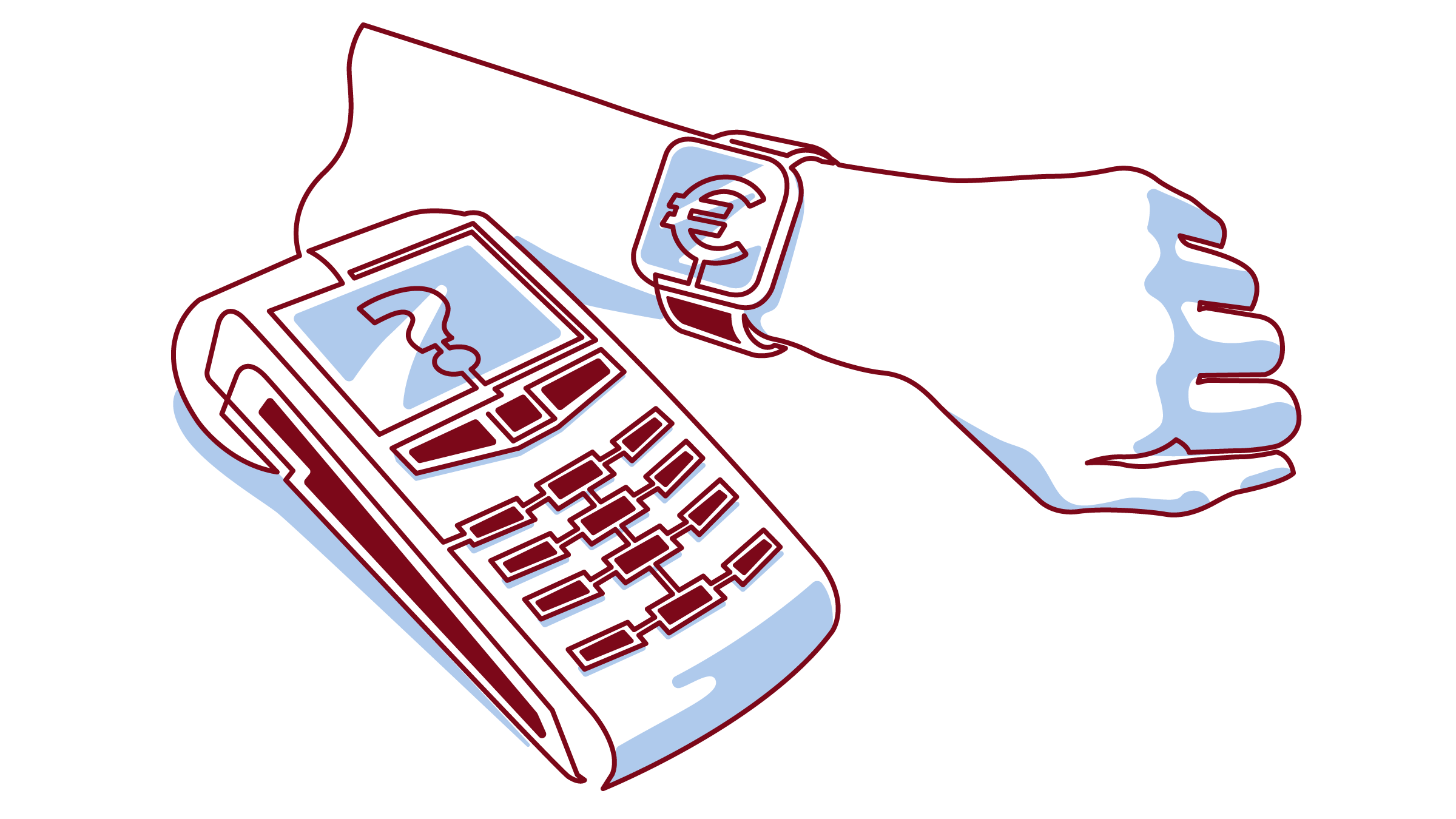
Some multibanking platforms allow businesses to initiate and track payments from a shared interface. This can make it easier to select a source account and review the progress of a payment request.
For example, a company may need to move funds into the account used for supplier payments. Reviewing account information alongside payment tools can help the finance team assess the available resources before initiating a transfer.
Supported payment types depend on the platform, connected banks, account arrangements and user permissions. A centralized interface does not mean that every transfer is instant or that every bank supports the same services.
Businesses should also distinguish between payment creation, approval, submission and completion. A successfully submitted instruction does not necessarily mean that the beneficiary has received the funds.
When assessing a platform, check how it displays payment status, handles unsuccessful requests and records approvals. Clear tracking is as important as an easy-to-use payment form.
5. Better visibility for cash flow management
Knowing the total balance across accounts is useful, but it does not show whether a business can meet every upcoming obligation. Funds may be held in a different account, while an expected customer payment may not yet have arrived.
Multibanking can provide a more consolidated view of recorded cash movements. Finance teams can use this information alongside upcoming obligations to assess their position and plan the next steps.
For example, a company preparing its weekly payroll may also be waiting for customer receipts. Updated account information helps establish the funds currently available. Planning still requires realistic collection dates and a clear view of other payments due.
Cash flow visibility should not be confused with cash flow forecasting. A forecast also needs information about receivables, liabilities, due dates and planned expenses. Historical bank transactions are only part of that picture.
In a group of companies, account ownership must remain clear. Funds held by one subsidiary should not automatically be treated as available to another. Our guide to managing bank accounts across a holding company (in Persian) explores this distinction.
What to check when choosing a multibanking platform
Start with the tasks your finance team needs to complete. Then check whether the platform supports those tasks for your banks and accounts.
- Bank coverage: Are the required banks and account types supported?
- Transaction search: Are the necessary filters and payment references available?
- Data freshness: Can users see when balances and transactions were last updated?
- Access controls: Can viewing, payment initiation and approval permissions be separated?
- Payment tracking: Does the platform distinguish submitted instructions from completed payments?
- Reporting: Can the team obtain the records and exports needed for its financial processes?
Frequently asked questions about multibanking
Does multibanking eliminate separate bank authentication?
Not entirely. A shared interface can simplify routine access, but account connections, permission renewals and certain payments may still require authentication with the relevant bank.
Are all connected account balances updated in real time?
No. Update frequency depends on the bank connection and platform. Users should check the last update time before relying on a balance for a payment decision.
Does every multibanking platform include automated reconciliation?
No. Aggregation brings account information together. Matching that information to accounting records and investigating differences requires additional functionality and review.
Putting the benefits of multibanking into practice
The benefits of multibanking become practical when they help teams complete everyday work: finding a receipt, checking available funds, tracking a payment or reviewing cash movements.
The right solution should combine useful bank coverage with clear information, appropriate permissions and traceable workflows. To explore how Adanium fits your organization’s banking needs, request a demo.
Original article: Five ways multibanking is changing banking — Kosma
Source for the historical payment statistic: European Central Bank — Payments statistics: 2021
Further reading on PSD2: European Central Bank — The revised Payment Services Directive
Editorial note: This article adapts the original discussion for business readers. Features described are general multibanking capabilities; availability should be confirmed with the relevant platform and banks.
